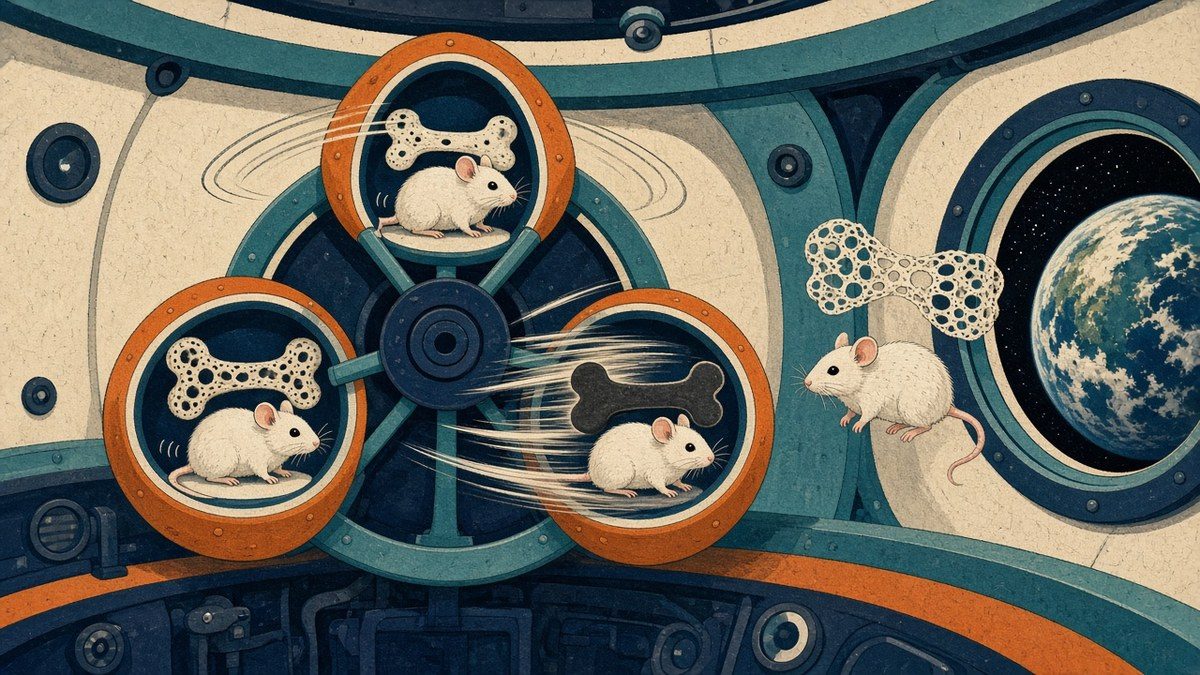
A NASA- and JAXA-funded experiment ran mice in centrifuges on the ISS at one-third, two-thirds and full gravity. One-third and two-thirds only partly helped, and NASA released the raw data this week.
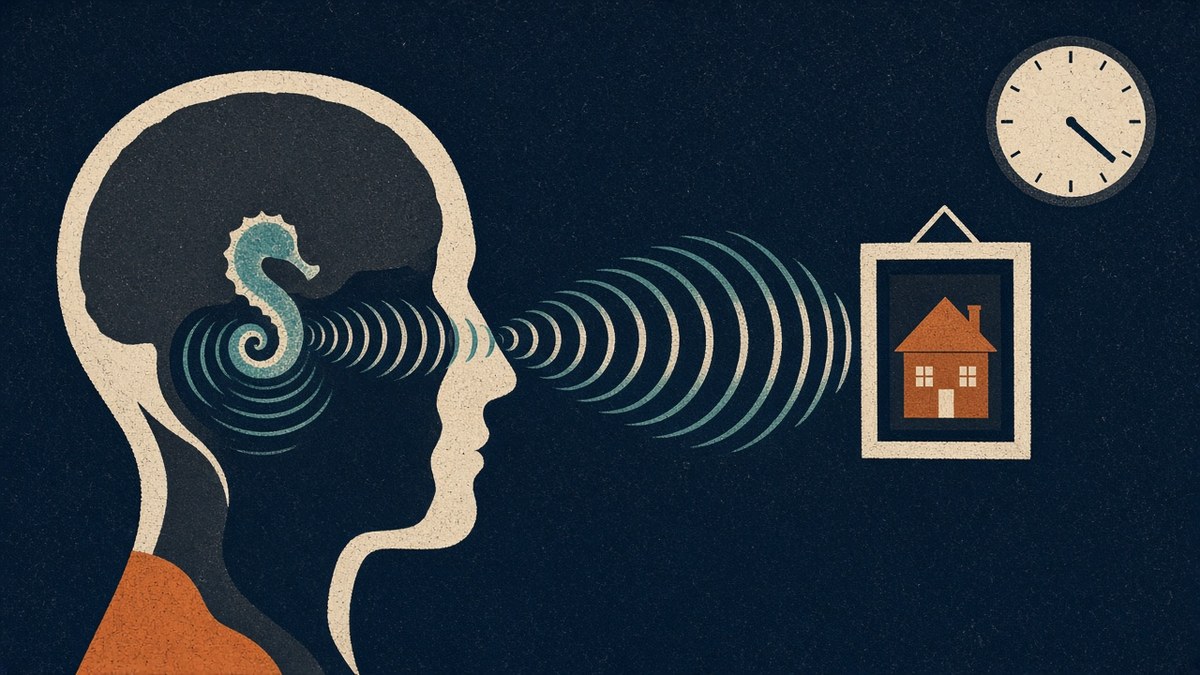
A study published in eLife on November 20 recorded directly from inside the brains of 13 neurosurgical patients holding images in mind. Hippocampal "ripples" — brief high-frequency bursts long tied to sleep and long-term memory — ramped up across the seven-second wait, but only on trials people got right. One reviewer calls the evidence compelling; another calls it weak. Both are in print.
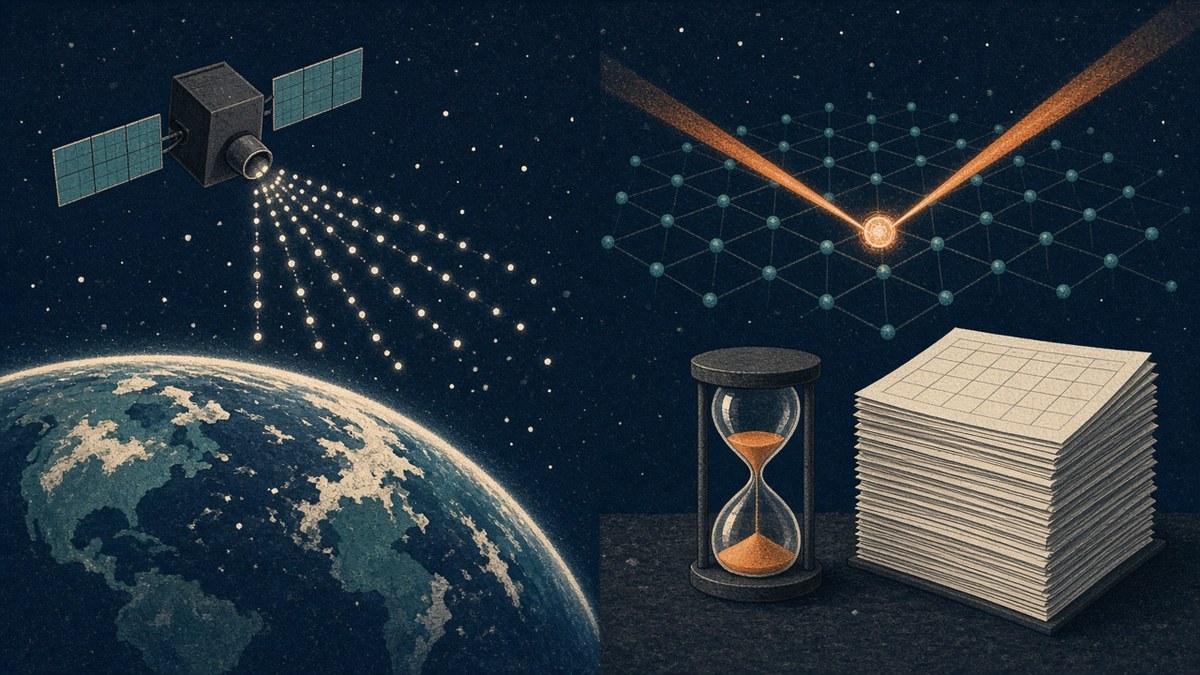
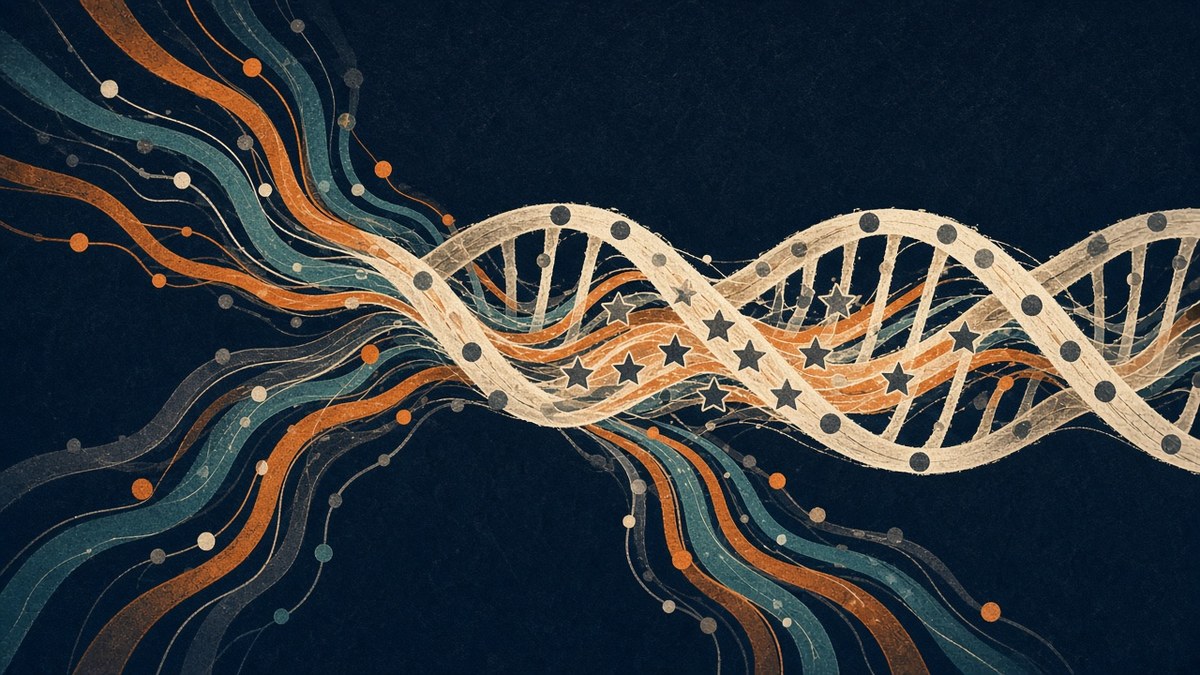
A peer-reviewed paper published Thursday in Physical Review Letters borrowed lattice algorithms from post-quantum cryptography to find gamma-ray pulsar PSR J1622−7204 — spinning 261 times per second — in 15 years of public NASA Fermi data in about 10 hours of computing. The previous best method failed despite the equivalent of 600 years. One new pulsar so far; the method is the breakthrough.
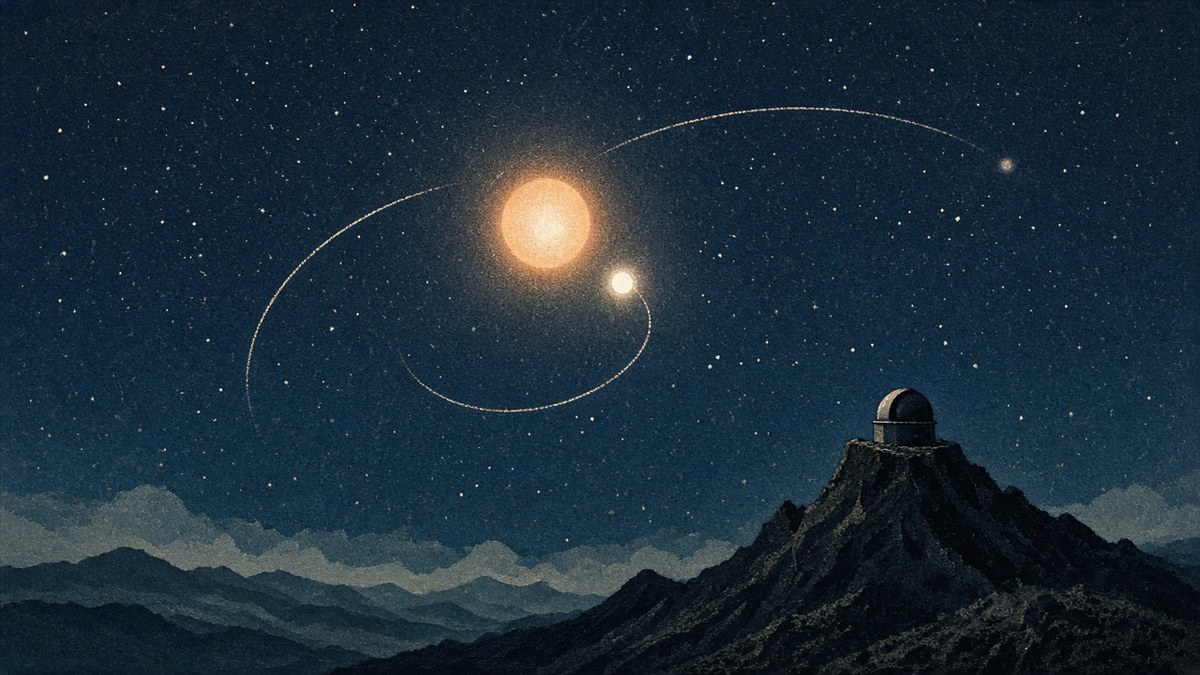
Just 28 light-years away, a red dwarf has been circling a white dwarf it should not have survived, while a second white dwarf orbits them both. Astronomers say no comparable system is known within about 100 light-years of Earth.
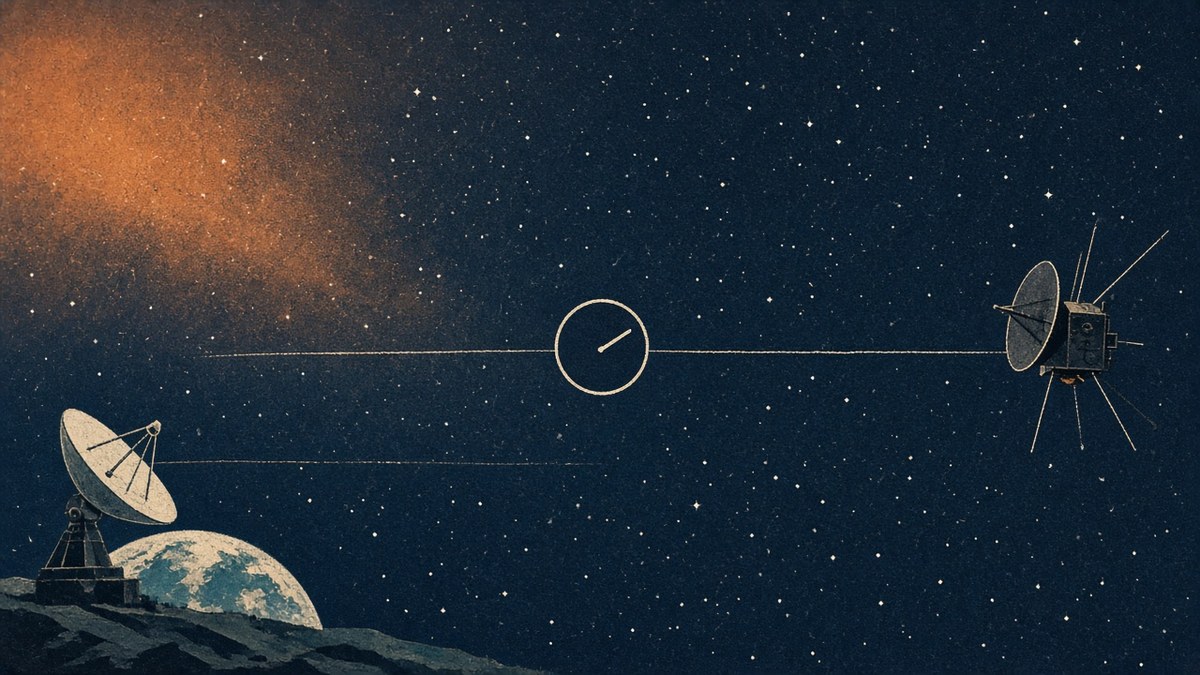
NASA confirmed Thursday that Voyager 1 — launched in 1977, traveling at 38,000 mph — has become the first human-made object one light-day from Earth: 16.1 billion miles, so far that its signal, moving at light speed, took 24 hours to arrive. The milestone was confirmed by the carrier tone, because the probe has sent no science or engineering data since November 14.
An NIH-backed study pooling 14 biobanks found 58 genetic regions linked to endometriosis, shared genetic ties to 135 other conditions, and 314 genes worth a closer look.
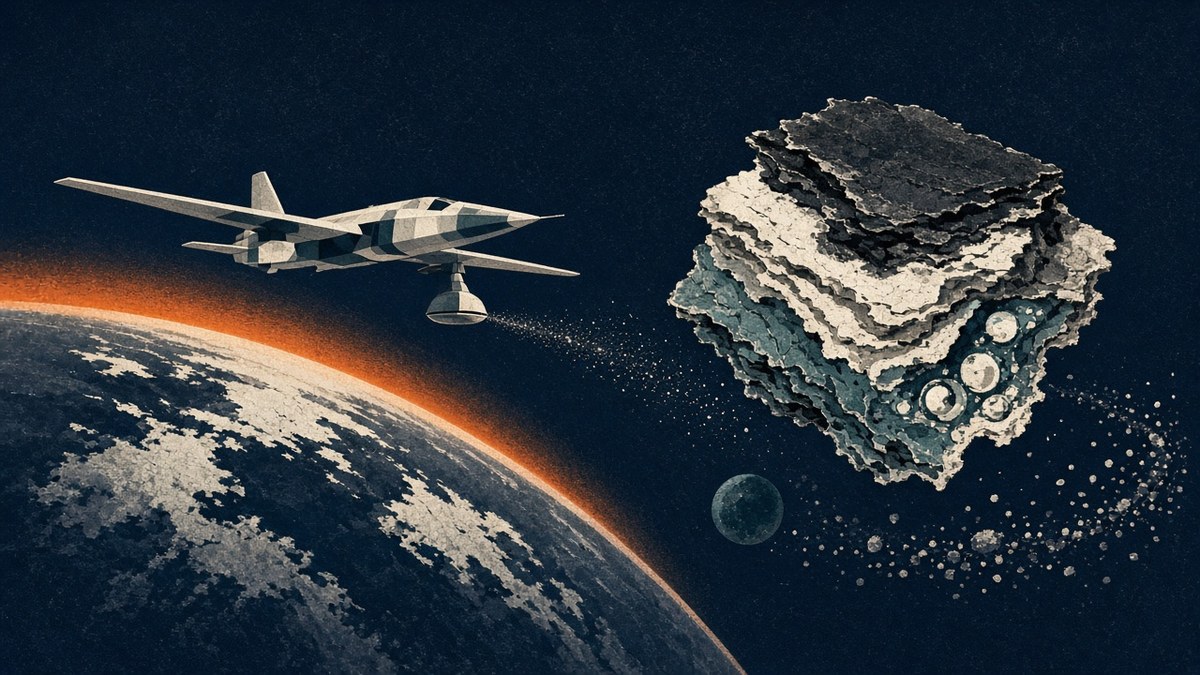
NASA and UCLA researchers studied 12 dust particles, each smaller than a grain of sand's shadow, collected by an ER-2 aircraft high above Earth. Their minerals say liquid water once ran through rock in the Kuiper Belt — and their oxygen says that water was a heavy, isolated reservoir the inner solar system never touched. Published in Science Advances, announced November 18.
People born later in the 20th century reach old age with sharper memories and lose them more slowly, according to a Nature Medicine study led from Oslo. The gain may be big enough to explain why dementia rates have been falling for decades.
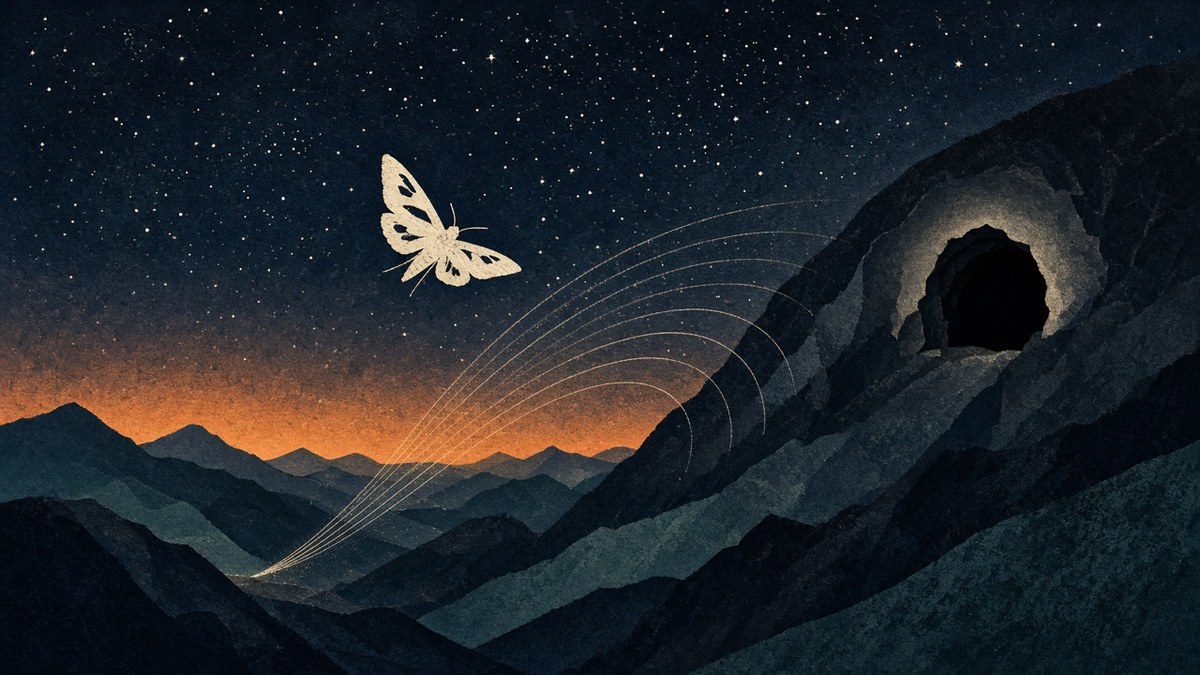
Australia's Bogong moth already knew how to steer by the Milky Way. A Nature study published November 18 shows it has a second, independent compass — the tilt of Earth's magnetic field, the same trick night-migrating songbirds use — and loses its way when that field is cancelled, flipped, or stripped of violet-blue light.
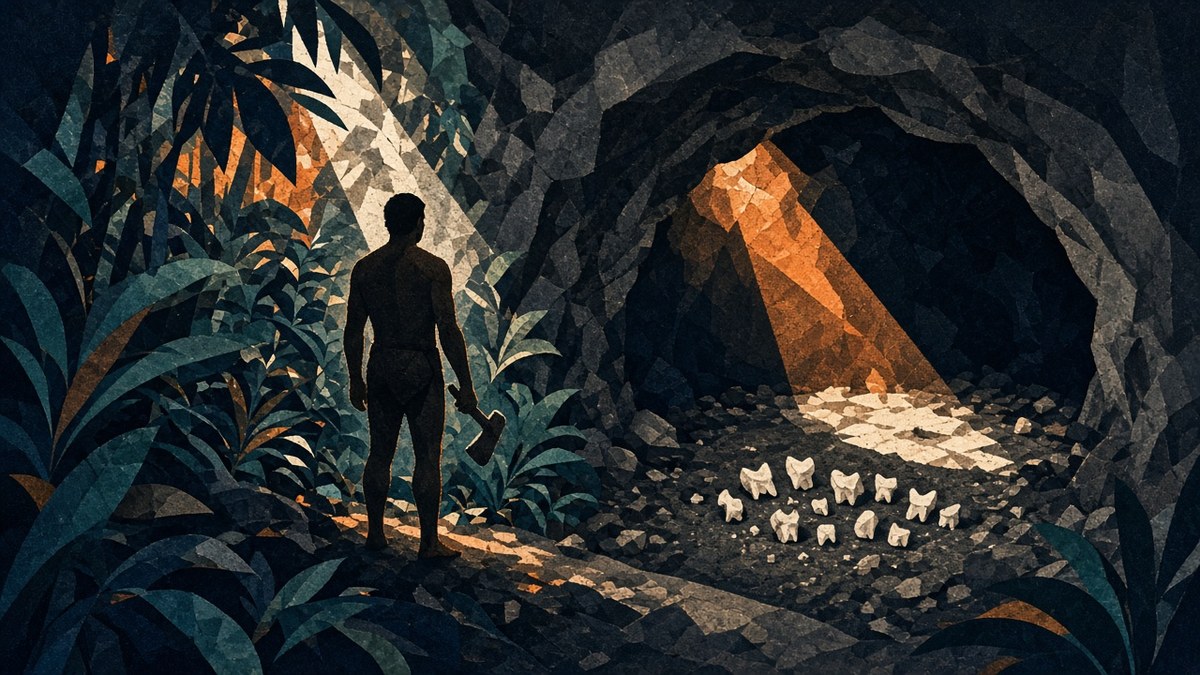
Nine fossil teeth from two caves in southern China show the ancient human lived in dense jungle as recently as about 184,000 years ago, some 200,000 years later than any securely dated mainland fossil.
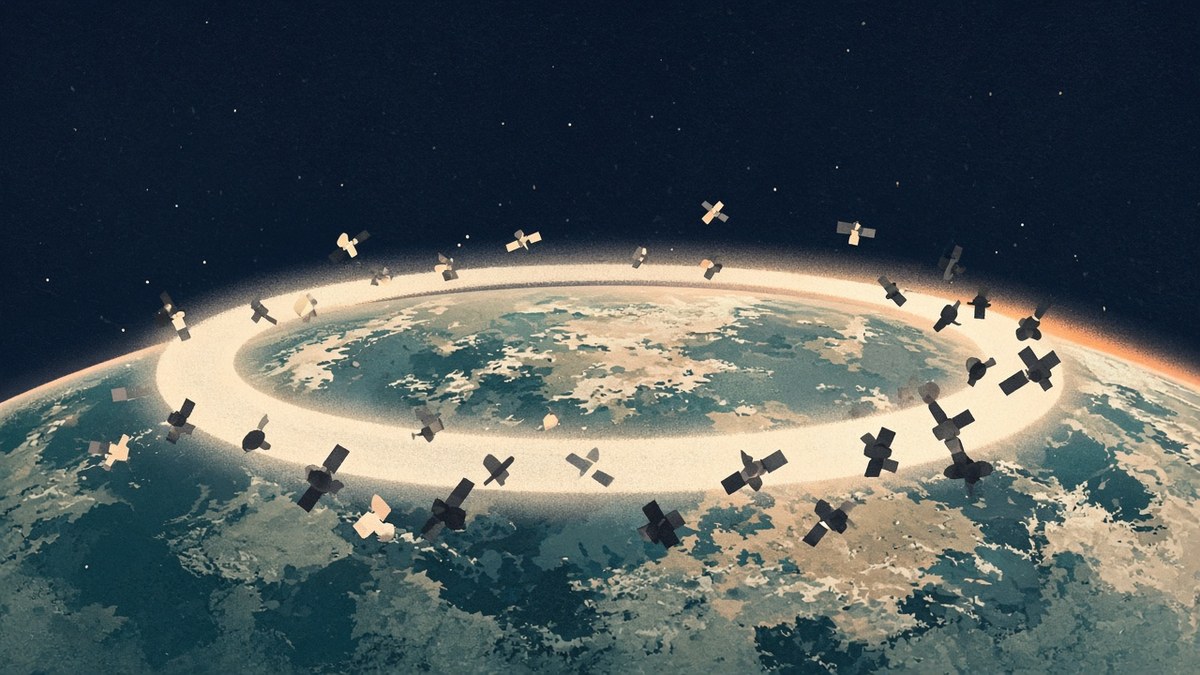
Researchers at Wisconsin and Princeton modeled a single 1-megaton blast 500 kilometers over the South Atlantic. The radiation belt it leaves behind does most of the damage. The study has not yet been peer reviewed.
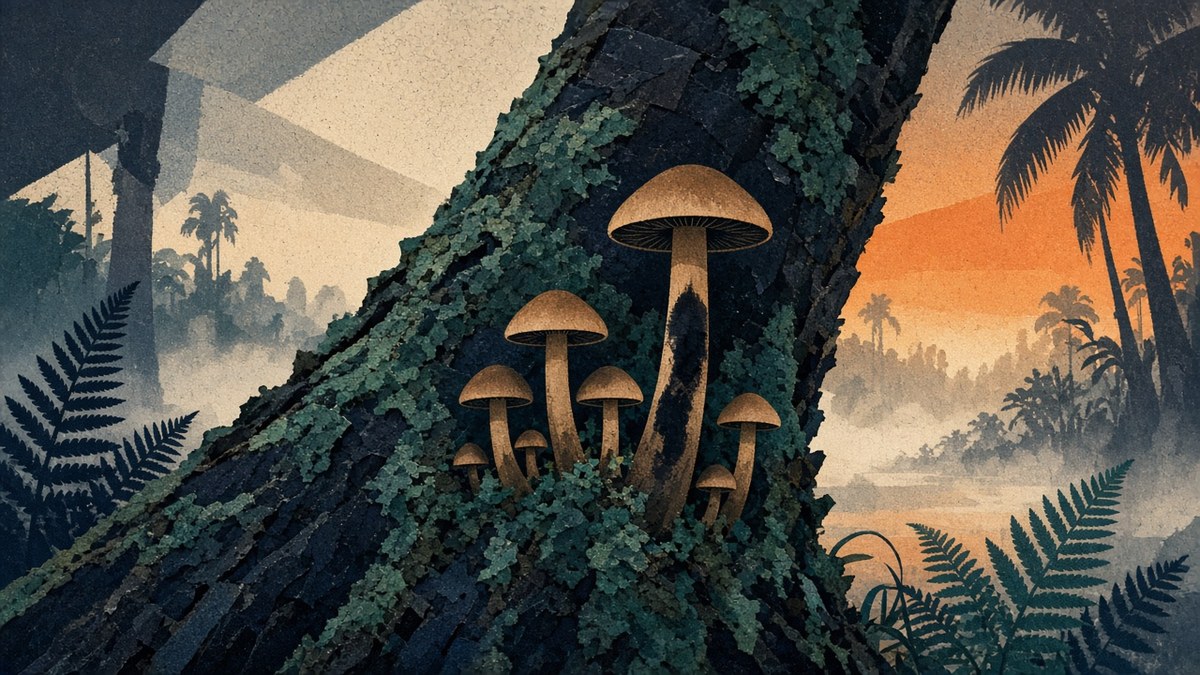
A Florida fungus smaller than a thumbnail is the first mushroom known to produce both psilocybin and amatoxins — the psychedelic and the death-cap poison family — and its genome says it stole the recipe sideways from another fungus.