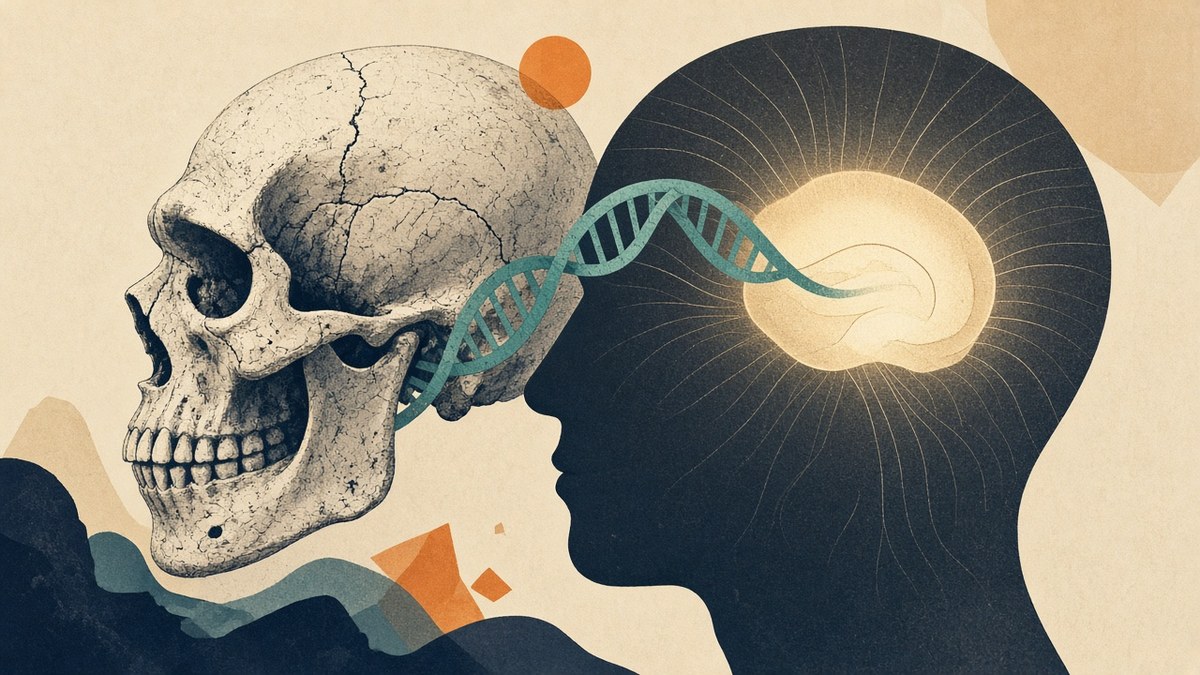
Svante Pääbo and Hugo Zeberg traced a four-letter deletion on chromosome 14 back to Neanderthals. Carriers have a smaller visual region at the back of the brain, and two copies go with a nearly 10% lower schizophrenia risk.
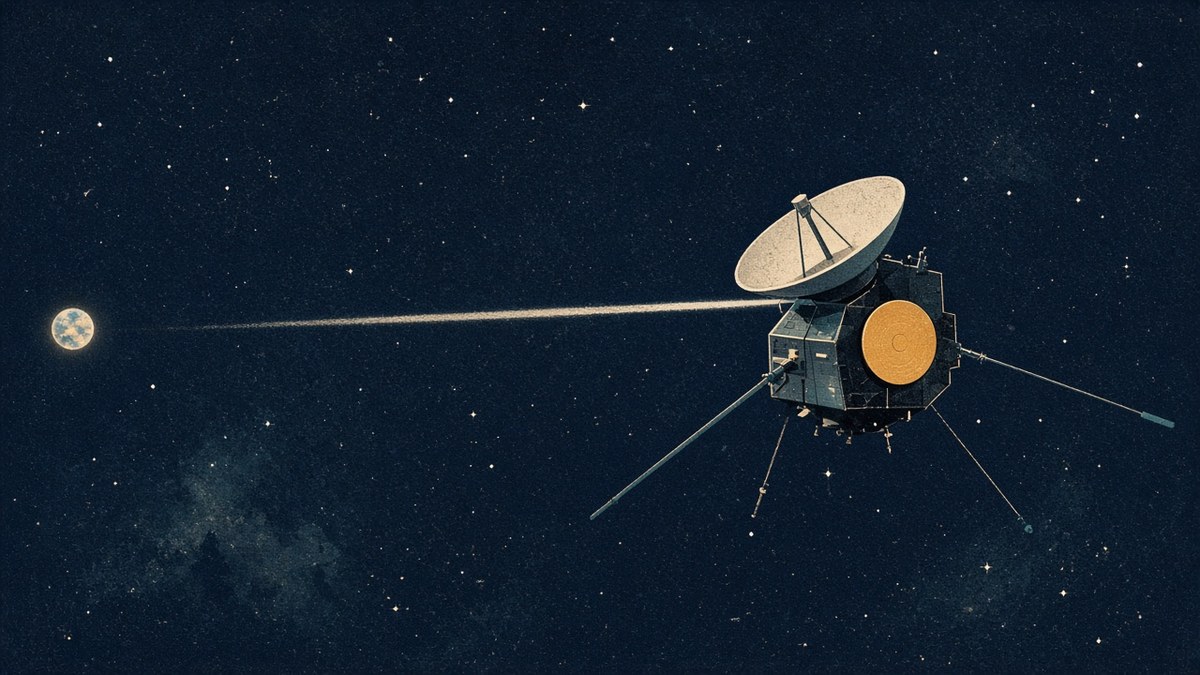
On Wednesday, Nov. 18, at 5:16 a.m. Eastern, Voyager 1 becomes the first human-made object a full light-day from home — more than 16 billion miles out, 49 years after launch, still working on two instruments and a dying power supply.
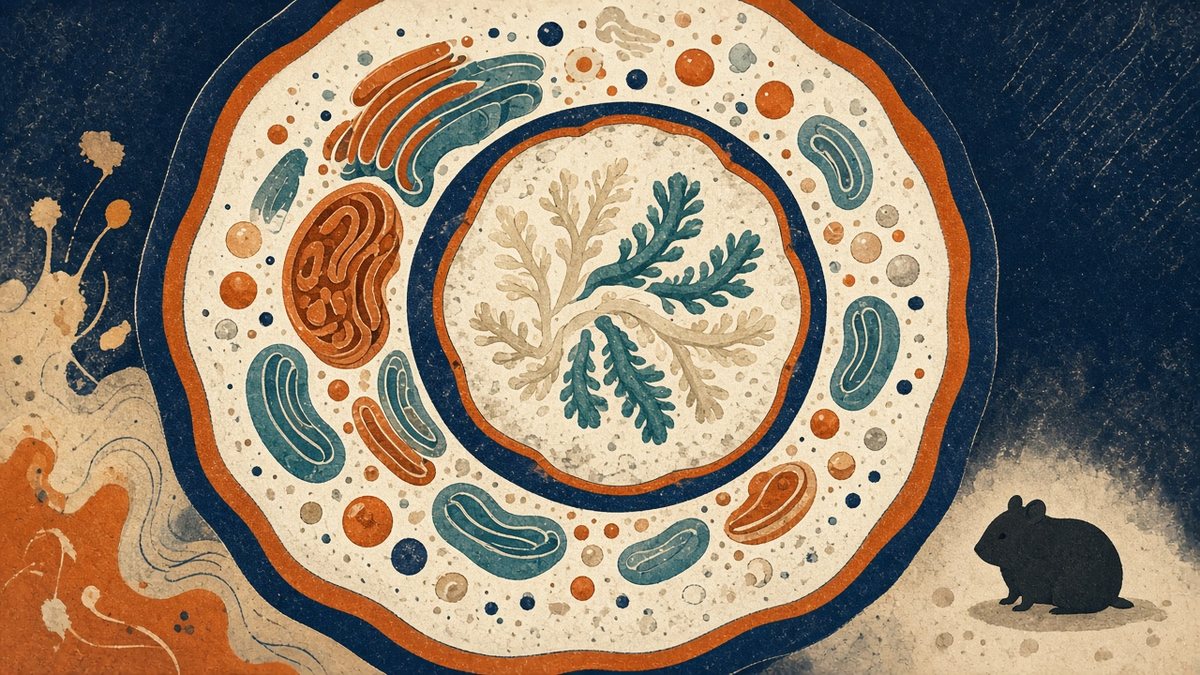
A University of Tokyo team fused red algae with hamster cells and made "planimal" cells that carried algal chromosomes through 155 generations of division. About 96% of the algal genes stayed switched off.
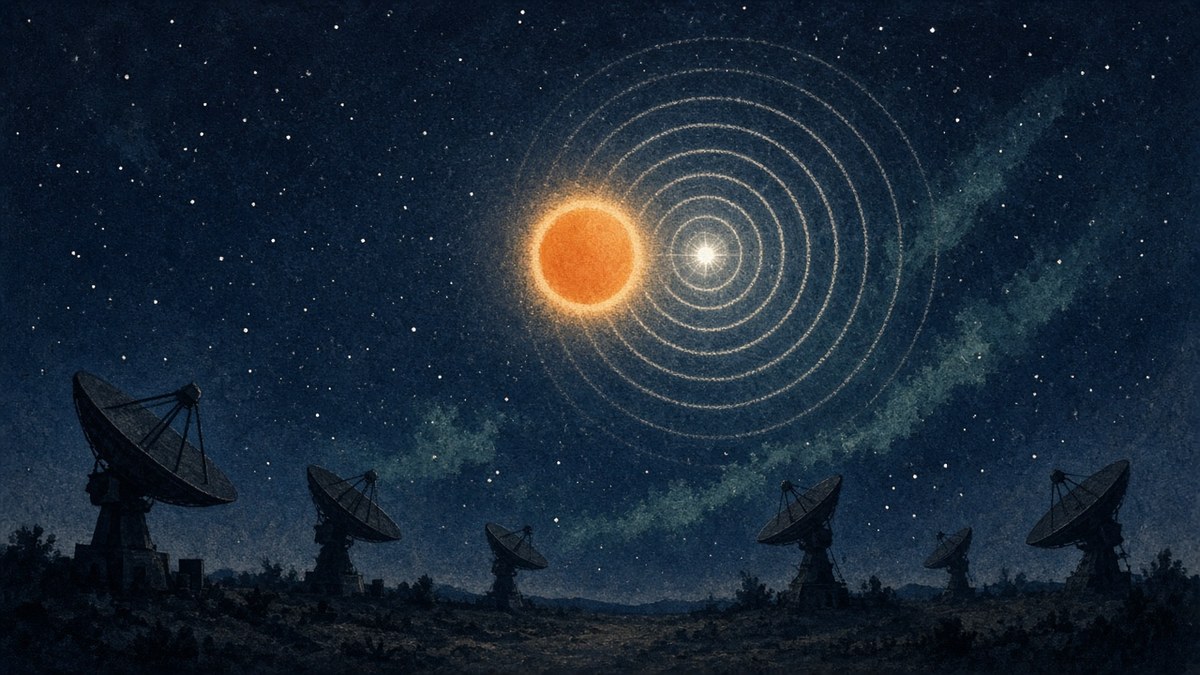
Astronomers traced a repeating radio signal to a white dwarf pulsar orbiting a star almost the same mass and temperature as the sun. It's the first one found with a sunlike companion.
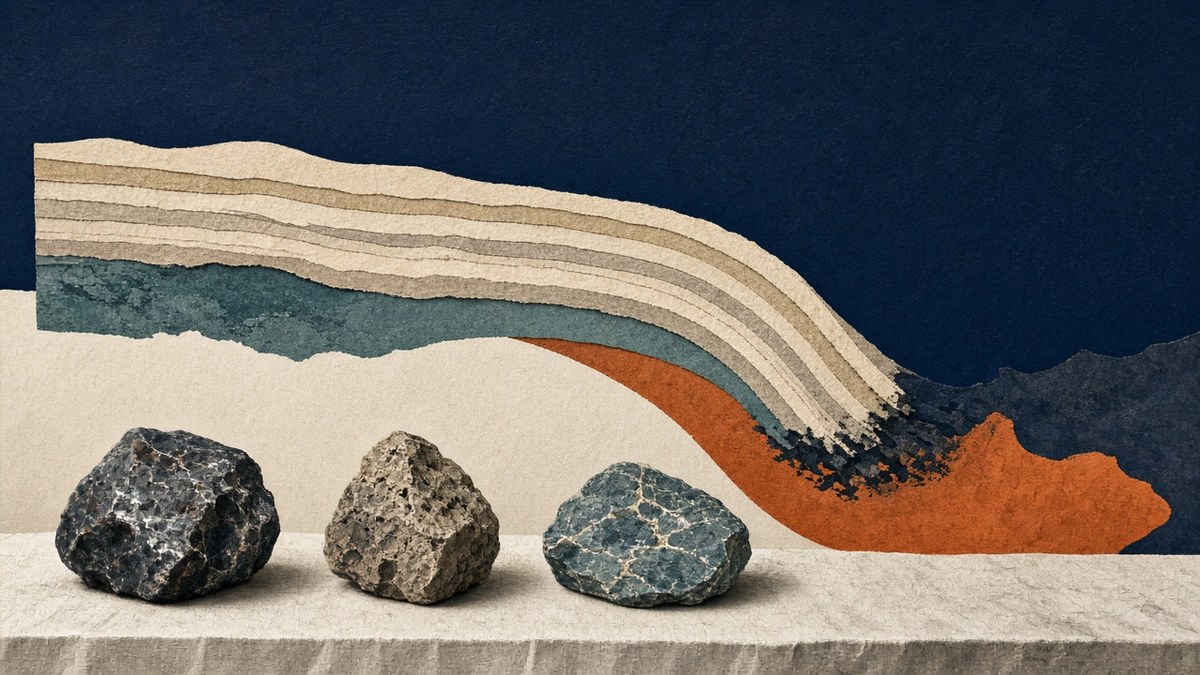
Trondhjemitic gneiss from Hebei province, dated to 3.95 billion years, carries chemistry suggesting its material was buried more than 50 kilometres down — most likely, the authors propose, by an early subduction event. The paper is peer-reviewed in Nature. The plate-tectonics reading is an interpretation, and the authors say so.
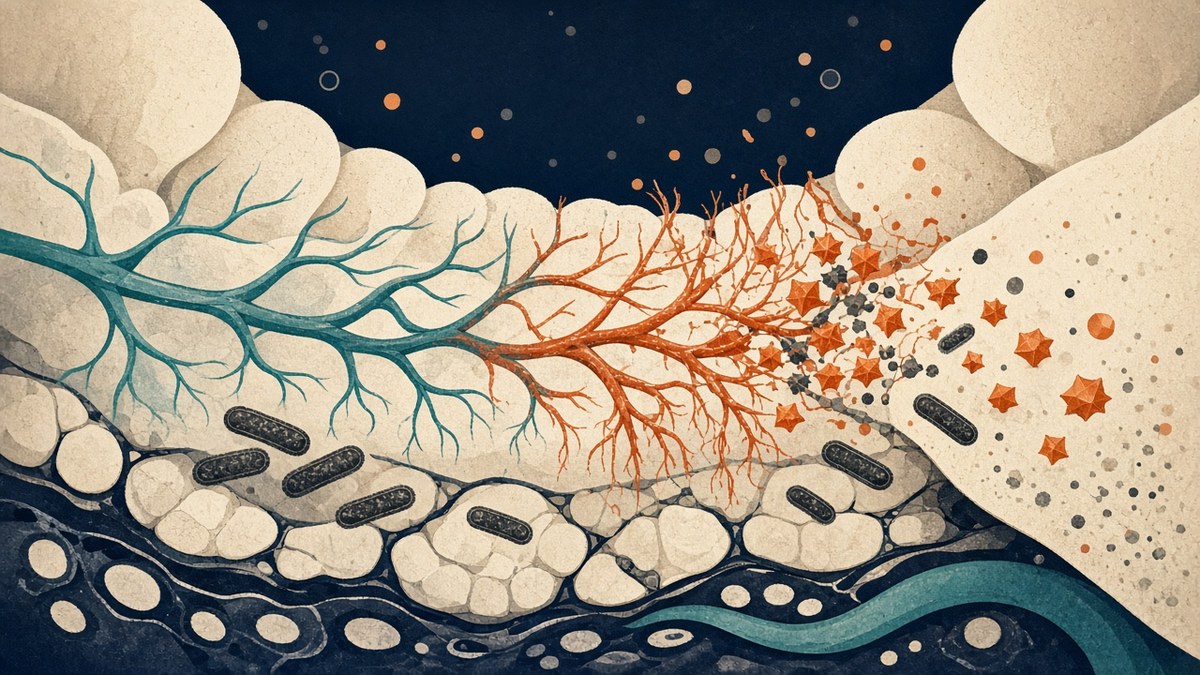
For more than a century, doctors could describe how typhoid fever tears the small intestine but not why. A Yale lab that has chased one bacterial toxin for 20 years says it finally has the answer.
ESA's Euclid telescope released its first big batch of data: more than a billion objects, the foundation of the largest 3D map of the universe ever attempted.
University of Washington researchers squeezed and stretched twisted sheets of carbon one atom thick, and the material's electrical resistance swung more than 100 times harder than an ordinary metal's would.
Israeli researchers report in Nature that an experimental test, reading epigenetic tags on DNA fragments in the blood, picked out early breast cancer with 95% accuracy and helped predict whose cancer would come back. It is still a small study, not a screening tool.
Astronomers found a red giant wobbling around something they cannot see — most likely the most massive neutron star ever found, sitting in the forbidden gap between neutron stars and black holes.