
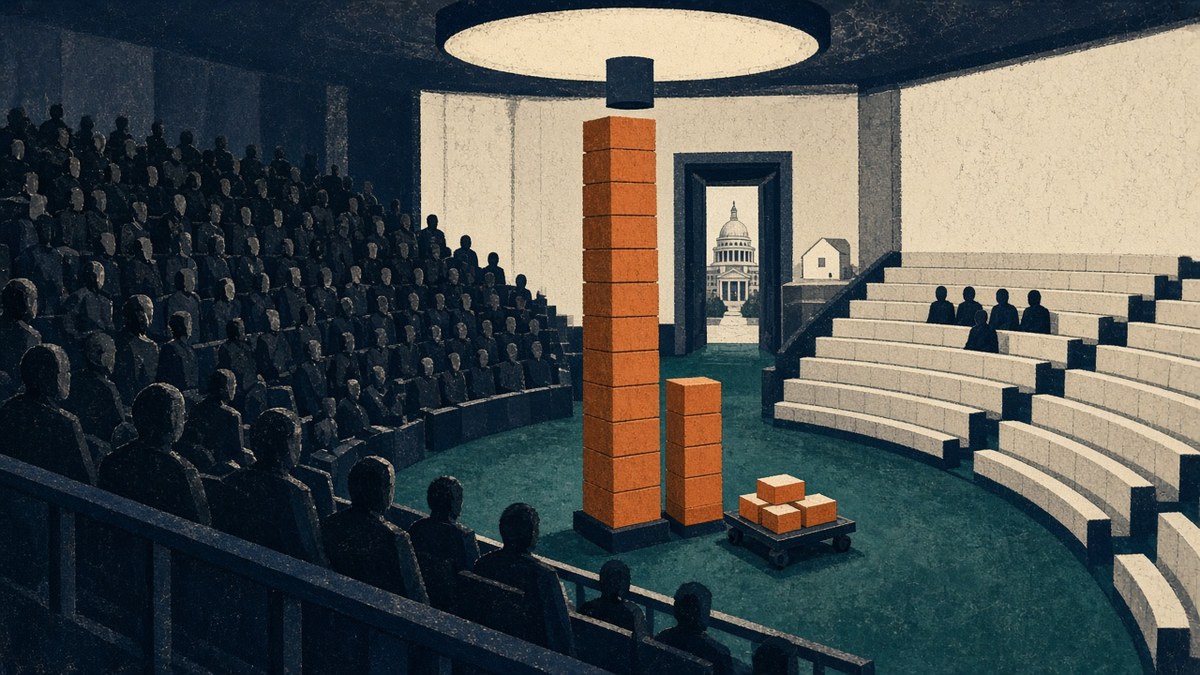
On Sunday, November 22, Democrats gained their 258th seat in next year's House when North Carolina Democrat Chuck Hubbard defeated his Republican opponent, according to the Associated Press [1]. AP, in its own account, names the opponent: Republican Rep. Virginia Foxx [2]. Four races remain uncalled in the 435-seat House [1][2].
Print the comparisons exactly as the record gives them. Democrats last won 258 seats in 1992 and secured 257 in 2008 [1]. Republican House majorities topped out at 247 for the 114th Congress, from 2015 to 2017 [1]. AP puts the gain at 44 House seats so far, four more than the 40 Democrats picked up in President Donald Trump's first midterm in 2018, with Republicans holding at least 173 seats in the minority [2]. House Democratic leader Hakeem Jeffries, who is expected to become speaker, wrote in a social media post: "House Democrats have just secured the largest majority any party in Congress has held this century" [1]. Jeffries would be able to lose dozens of Democrats on any given vote and still have the 218 needed for passage [2].
What the majority says it will do is reported, not enacted, and this paper prints it that way. AP reports Democrats preparing a 100-day agenda addressing high costs of living, planning swift votes to reverse Republicans' Medicaid cuts and restore Affordable Care Act tax credits Republicans allowed to expire, and vowing to use subpoena powers for investigations into the Trump administration [2]. Rep. Tom Suozzi, a centrist Democrat, said the focus should be 75% affordability and 25% accountability: "Everything should be tied back to the people — and how it's affecting the people" [2]. Rep. Jim Jordan of Ohio, elected by his colleagues as Republican leader in the minority, vowed: "Over the next two years, House Republicans will fight for American families" [2]. The Senate, AP reports, will have a 56-seat Democratic majority, and the presidency remains Republican — divided government from January [2].
Reuters attributes the result, in its reporting, to voter frustration with Trump's stewardship of the economy and his decision to launch a war against Iran in February, which drove gas prices up sharply [1]. That is Reuters' analysis of the electorate, printed here as analysis, not as a ballot-box fact.
Commentary: Apply the same standard to the incoming majority as to the outgoing one. A 258-seat House can pass bills, fund or defund, and investigate — and every one of those powers will be exercised by people who did not have them last week. Who pays? Whoever the new majority decides pays, through the same taxing and spending machinery this paper watches under either party. What freedom does it cost? That depends on what they do with a margin wide enough to lose dozens of their own members and still win. The Federalist design assumed ambition would counteract ambition. From January, ambition gets a bigger office. This paper will grade the new majority's first hundred days by the same two questions it asked of the last one.